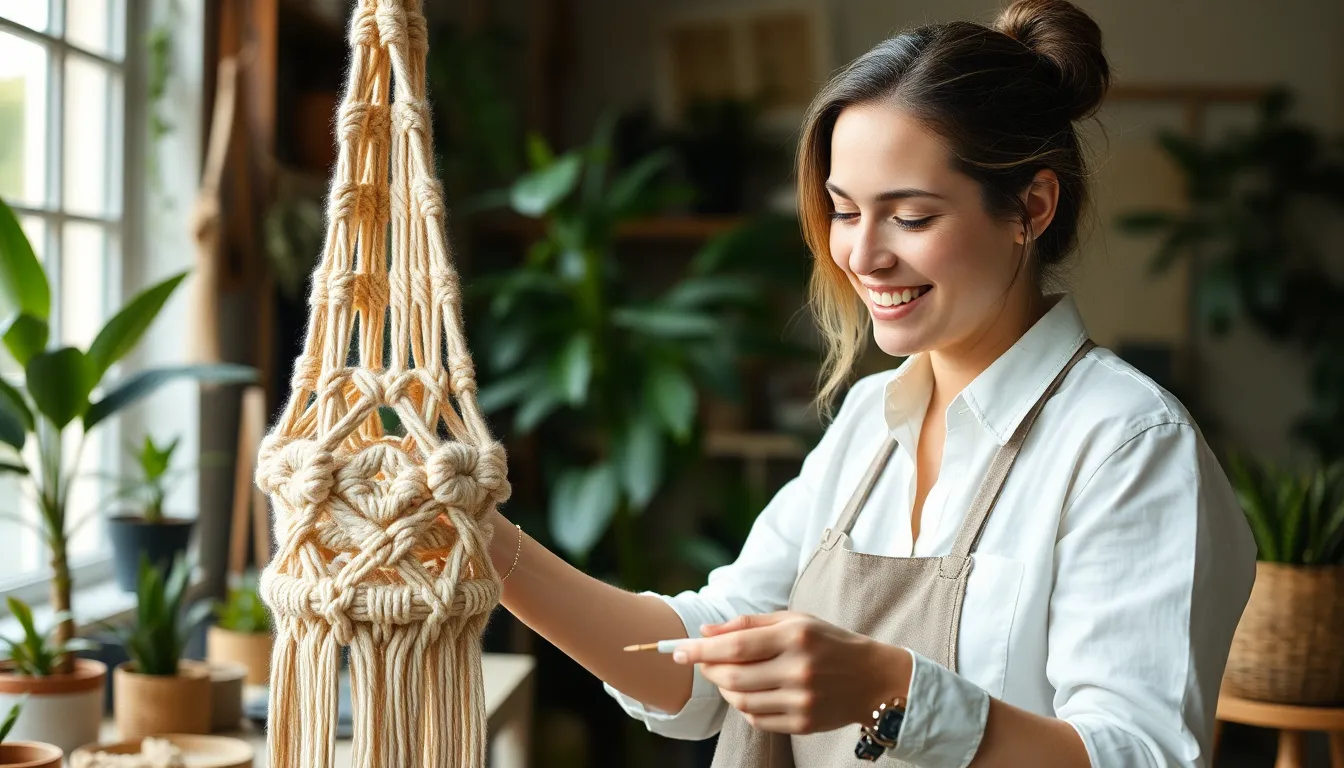
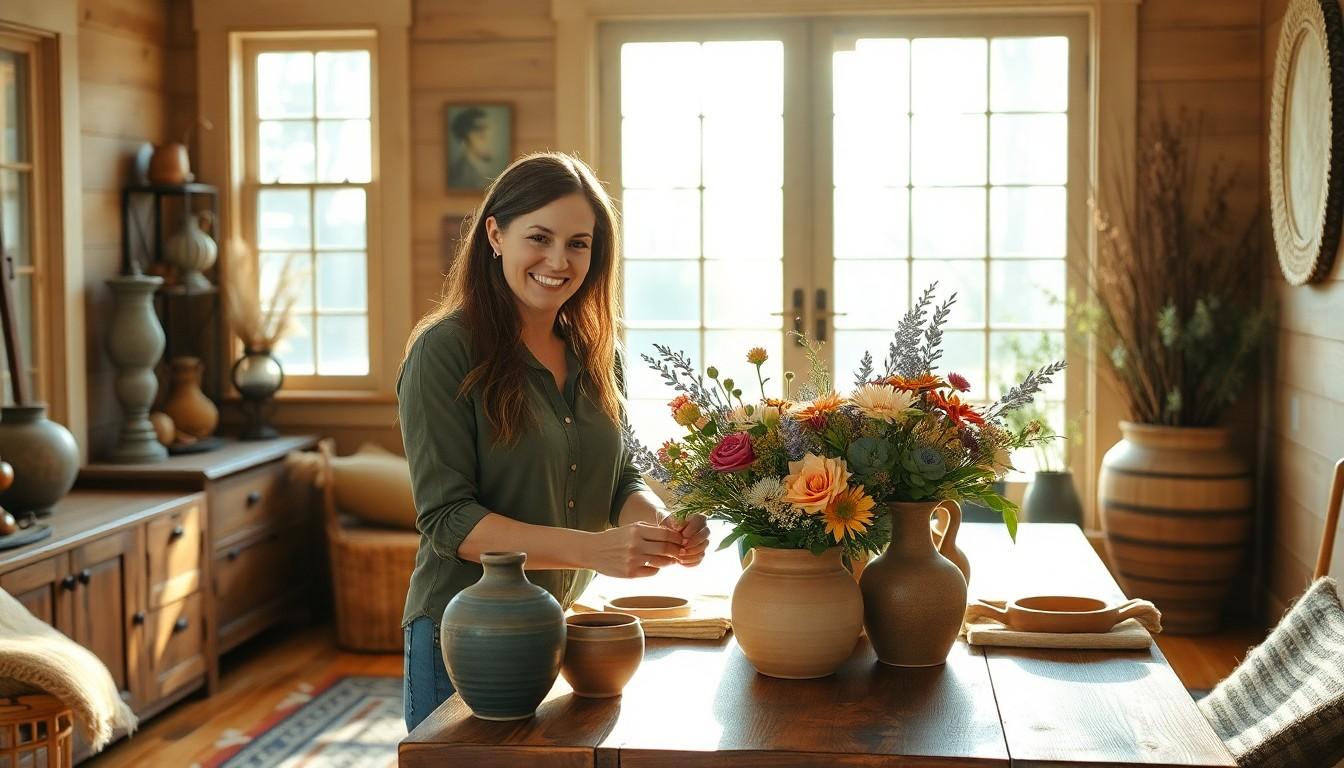
Imagine walking into a space that feels like a warm hug from your favorite childhood memories. Arts and crafts interior design does just that, blending creativity with comfort to create a home that tells your unique story. This style isn’t just about slapping some paint on the walls and calling it a day; it’s about infusing personality into every corner, turning drab into fab, and making sure your home reflects who you really are.
With its roots in the late 19th century, arts and crafts design champions handcrafted elements and natural materials. It’s like your home decided to throw a cozy party where every guest is a piece of art. So if you’re ready to ditch the cookie-cutter look and embrace a style that’s as vibrant and eclectic as you are, buckle up! This journey into arts and crafts interior design is about to get fun.
Overview of Arts and Crafts Interior Design
Arts and crafts interior design embodies a commitment to craftsmanship and natural beauty. This style centers around handmade furnishings and decor that reflect personal stories. Originating in the late 19th century, this movement arose as a response to industrialization and mass production.
Handcrafted elements play a pivotal role in arts and crafts design. Furniture pieces often feature simple lines, sturdy construction and organic materials like wood, stone and leather. Color palettes typically consist of earthy tones and muted shades, promoting a warm and inviting atmosphere.
Natural light holds significance in this style. Large windows and open layouts encourage the infiltration of daylight, enhancing the connection between indoor and outdoor spaces. Incorporating greenery and plants further emphasizes this bond with nature.
Textures add depth and interest in arts and crafts interiors. Fabrics like linen and wool complement wooden surfaces, creating a sensory experience. Artwork showcasing local artisans often serves as focal points, enhancing the overall aesthetic.
Craftsmanship remains vital in arts and crafts interiors. Each piece of furniture or decor exemplifies skill and meticulous attention to detail. This dedication to quality over quantity encourages individuals to treasure unique items.
Personalization thrives within this design style, allowing individuals to curate spaces reflective of their identities. Mixing various styles and eras emphasizes individuality while maintaining harmony. Arts and crafts interior design promotes an authentic and lived-in feel, inviting occupants to engage deeply with their environment.
Key Characteristics

Arts and crafts interior design emphasizes the significance of individual expression and natural aesthetics. This style showcases unique combinations of materials and skilled craftsmanship.
Natural Materials
Natural materials form the backbone of arts and crafts design. Wood, stone, and leather create a warm and inviting ambiance. Each component contributes to a tactile experience, enhancing the overall aesthetic appeal. Sustainable sources of these materials support eco-friendly practices. Colors in this design typically draw inspiration from nature, featuring earthy tones that evoke tranquility. Incorporating greenery further complements these natural elements, fostering harmony within the space. Utilizing local materials enhances a sense of place, connecting occupants to their environment.
Handcrafted Elements
Handcrafted elements play a vital role in defining arts and crafts interiors. Each piece embodies the skill and creativity of artisans, adding a personal touch to the home. Unique furniture and decor items stand out, showcasing imperfections that reflect human artistry. Prioritizing quality over mass production ensures enduring durability. Each handcrafted item tells a story, enhancing the character of the space. Local artisan artwork acts as focal points, drawing attention and elevating the overall design. By integrating these distinct elements, interiors maintain authenticity while celebrating craftsmanship.
Color Palette and Textures
Arts and crafts interior design thrives on a harmonious blend of color and texture, fostering a warm, inviting atmosphere. Natural elements dominate the color palette and textiles, reflecting the beauty of handcrafted aesthetics.
Earthy Tones
Earthy tones form the foundation of arts and crafts design, evoking connection to nature. Colors like olive green, muted browns, deep terracotta, and warm grays create a soothing ambiance. These hues promote tranquility while enhancing the aesthetics of organic materials. Light pastels may complement deeper shades, offering a visual balance throughout the space. The overall palette encourages a sense of grounding, allowing individuals to feel rooted in their environment. Nature-inspired colors infuse rooms with warmth, fostering comfort and relaxation.
Layered Textures
Layered textures enhance the tactile experience in arts and crafts interiors. Fabrics like linen, wool, and cotton add depth, creating visual interest and inviting touch. Using multiple materials—rough-hewn woods, smooth stones, and soft textiles—encourages a dynamic interplay within the space. Artisan-crafted items, such as woven rugs or handcrafted ceramics, serve as focal points, drawing attention to the craftsmanship. Adding various textures enriches the environment, making it feel lived in and personal. This layering effect invites exploration and engagement, inviting individuals to connect with each element.
Popular Arts and Crafts Styles
Arts and crafts interior design features various distinct styles, each showcasing a commitment to craftsmanship and authenticity.
Craftsman Style
Craftsman style emphasizes simplicity and functionality, rooted in the principles of the arts and crafts movement. Characterized by exposed joinery, built-in furniture, and extensive woodwork, it creates a warm, inviting atmosphere. Earthy color palettes enhance spaces, focusing on hues like olive green, warm brown, and deep red. Local artisans often produce furniture and decor, highlighting individuality and skill. This approach fosters a connection between people and their homes, emphasizing quality and durability.
Arts and Crafts Movement
The arts and crafts movement originated in the late 19th century, promoting handcrafted artistry as a response to industrialization. It aimed to challenge mass production by prioritizing skill and natural materials. Each piece reflects the artisan’s hand, emphasizing unique designs over generic forms. Key characteristics include rich wood finishes, geometric patterns, and the use of metals and glass. This movement also advocated for simplicity in design, avoiding excessive ornamentation to foster a sense of tranquility. By embracing these principles, individuals create spaces that tell a story and celebrate craftsmanship.
Incorporating Arts and Crafts in Modern Homes
Integrating arts and crafts into modern homes creates a warm and inviting atmosphere. Utilizing handcrafted furnishings becomes essential. Artisans’ works such as unique furniture pieces add character to spaces. Emphasizing natural materials like wood, stone, and leather fosters a strong connection to the environment.
Color palettes rooted in nature enhance the overall aesthetic. Earthy tones such as olive green, muted browns, and deep terracotta showcase tranquility. Light pastels provide a refreshing contrast, creating balance within the interior. Layering these colors with various textures enriches the sensory experience. Fabrics like linen, wool, and cotton invite touch and exploration, reflecting the movement’s commitment to authenticity.
Natural light plays a vital role in arts and crafts design. Large windows allow daylight to flood in, bridging indoor and outdoor spaces. Incorporating greenery through houseplants and garden views reinforces harmony and serenity. Artisan-crafted items act as focal points, making each room feel personal and lived in.
Prioritizing craftsmanship ensures that each piece resonates with quality and artistry. Choosing local artisans strengthens community ties and highlights unique designs. Mixing various styles and eras illustrates individuality, creating spaces that tell stories. Personal touches, such as family heirlooms or bespoke decor, can enhance this narrative further.
In modern settings, the craft-inspired approach champions sustainability. Prioritizing eco-friendly practices through the use of sustainable materials aligns with today’s values. Embracing these principles empowers individuals to create environments that not only look beautiful but support a deeper connection to craftsmanship and nature.
Conclusion
Embracing arts and crafts interior design invites a unique blend of creativity and comfort into any home. This style encourages individuals to express their personalities through handcrafted elements and natural materials. By focusing on quality and craftsmanship, each piece contributes to a warm and inviting atmosphere that tells a story.
The use of earthy color palettes and layered textures fosters a connection to nature while enhancing the overall aesthetic. Incorporating local artisan work not only enriches the environment but also supports community ties. Ultimately, arts and crafts design offers a refreshing alternative to generic decor, allowing spaces to reflect individuality and authenticity.