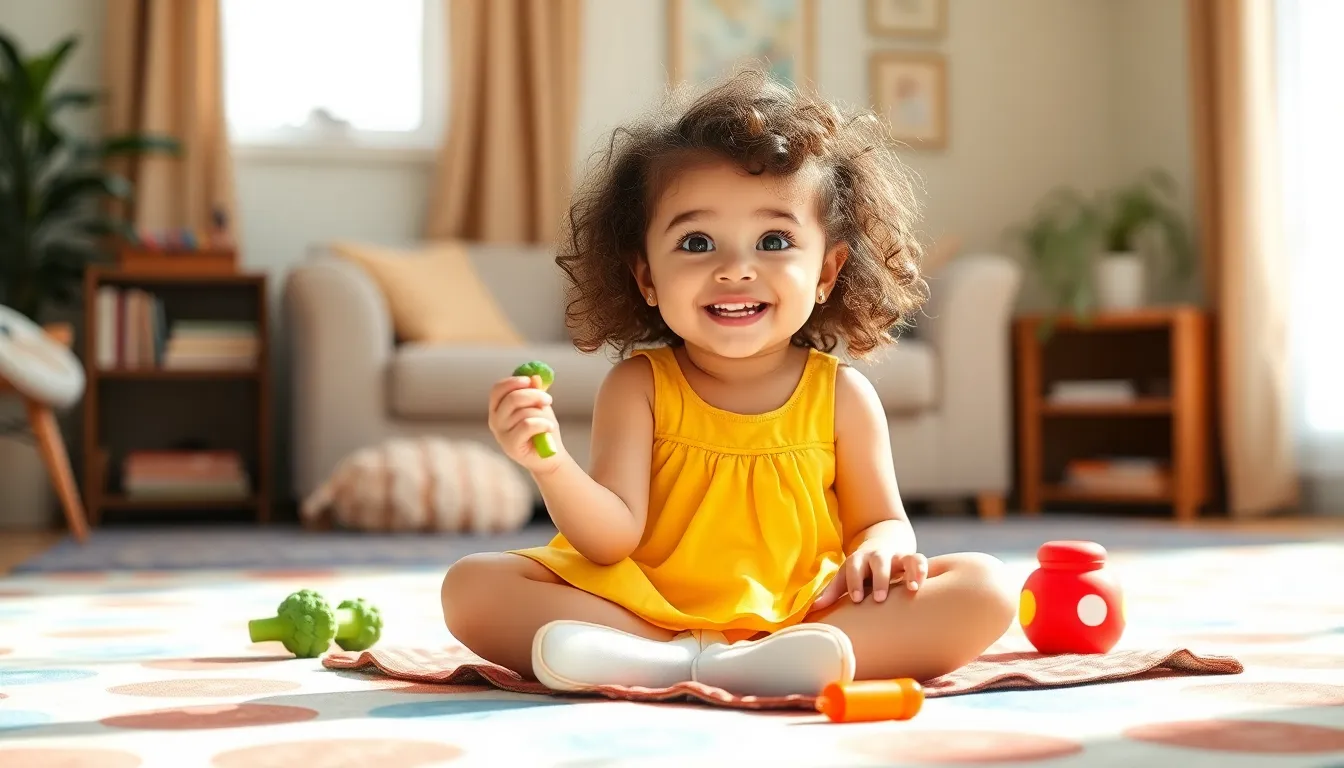
In a world where toddlers can master the art of tantrums and teens can text faster than a speeding bullet, developing strong communication skills in children is more crucial than ever. It’s not just about teaching them to say “please” and “thank you”; it’s about equipping them with the tools to express their thoughts, feelings, and even their wildest dreams. After all, who wouldn’t want a child who can articulate their love for broccoli or negotiate an extra cookie?
Importance Of Child Communication Skills
Effective communication skills play a crucial role in a child’s development. These skills enable children to express thoughts and feelings clearly, fostering healthy relationships with peers and adults. Children equipped with solid communication abilities often exhibit greater confidence in social situations.
Furthermore, communication skills correlate with academic success. Studies show that children who articulate ideas well tend to perform better in school. They engage more during discussions, enhancing their critical thinking and problem-solving capabilities.
Social skills also flourish through effective communication. Kids learn to negotiate, resolve conflicts, and empathize with others when they can articulate their emotions and understand those of their peers. This understanding creates a supportive environment, essential for emotional well-being.
In addition, communication skills lay the groundwork for future professional success. Proficient communicators can collaborate in teams, lead projects, and express ideas clearly. These attributes are vital in today’s workplace, where effective interaction is key.
Promoting these skills early in life leads to long-term benefits. Engaging in conversations, reading together, and encouraging expression through play contribute to a child’s ability to communicate well. Parents and educators should prioritize these interactions to enhance developmental outcomes in children.
Developmental Stages Of Communication
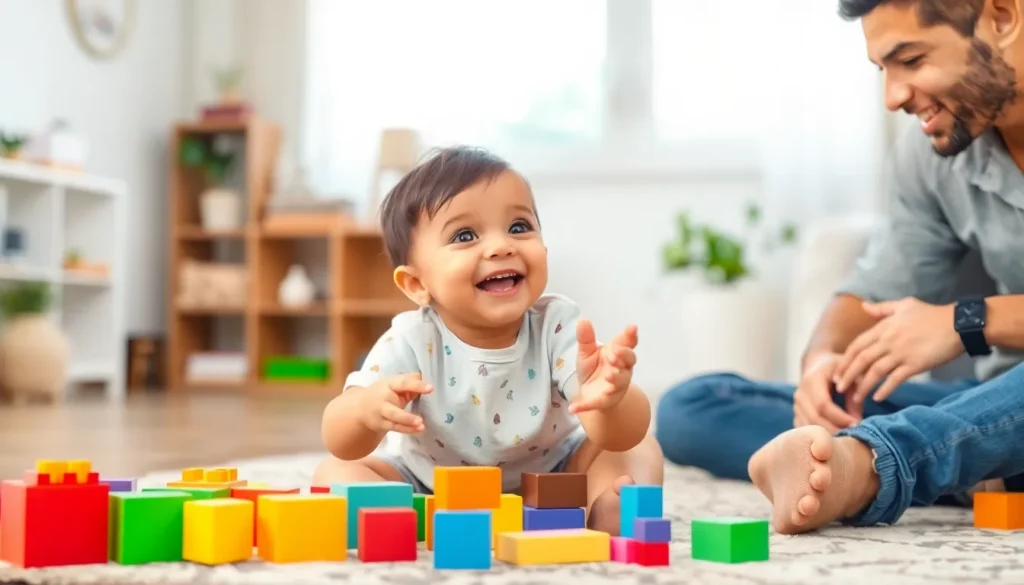
Children progress through distinct stages of communication as they grow. Observing these stages can provide valuable insights into their development.
Early Communication Skills
Early communication skills emerge even before children speak their first words. Infants often use gestures, cries, and facial expressions to express needs. By six months, babies respond to their name and engage in cooing or babbling, experimenting with sounds. Around one year, children typically say simple words like “mama” or “dada.” Encouraging eye contact, shared smiles, and turn-taking during interactions significantly enhances these initial skills. Parents should provide a rich language environment filled with conversations and opportunities to connect.
Language Acquisition Milestones
Language acquisition occurs through specific milestones that mark significant growth in communication abilities. By 18 months, most toddlers can say about 50 words and may start combining them into two-word phrases. At age three, vocabulary expands to around 200 words, enabling children to form short sentences. Engaging children in storytelling and singing promotes their vocabulary and comprehension. By age four, they often enjoy discussing topics and answering questions, showcasing their developing skills. Supporting these milestones fosters confidence, enhancing children’s ability to communicate effectively in various contexts.
Factors Influencing Communication Skills
Several factors impact a child’s communication skills development. Understanding these influences can enhance learning environments.
Family Environment
Family settings play a crucial role in shaping communication abilities. Children in supportive homes often receive encouragement to express themselves openly. Parents who engage in conversations help develop listening and speaking skills. Positive reinforcement boosts confidence, making children more willing to share thoughts and feelings. Exposure to varied vocabulary during bedtime reading or routine discussions further enriches language development. Researchers note a correlation between family interactions and children’s ability to articulate effectively. Fostering a nurturing atmosphere encourages exploration and expression, making it essential for parents to prioritize communication in daily life.
Social Interactions
Social interactions significantly influence how children communicate. Opportunities to engage with peers enhance conversational skills and reasoning abilities. Participating in group activities promotes collaboration and negotiation. Such experiences also foster empathy as children learn to consider others’ perspectives. Playdates and structured group settings allow for practice in expressing themselves clearly. Observing communication styles from friends provides valuable insights for adapting their own speech. Studies show that children with rich social experiences demonstrate better language proficiency and adaptability in diverse situations. Encouraging social interactions is vital for developing robust communication skills that carry into adulthood.
Strategies To Enhance Communication Skills
Enhancing children’s communication skills involves practical strategies that promote expressive language and active listening. Focusing on these areas allows kids to articulate their thoughts and understand others effectively.
Encouraging Expressive Language
Encouraging expressive language develops children’s ability to share their thoughts and feelings. Engaging in storytelling fosters this skill, as children narrate their experiences or create imaginative tales. Speaking with open-ended questions invites kids to elaborate on their ideas. Incorporating descriptive language while talking helps expand vocabulary. For example, asking, “What did you enjoy at the park?” encourages detailed responses. Furthermore, modeling expressive language through enthusiastic conversations inspires children to mimic and practice these skills. Incorporating arts and crafts, allowing kids to describe their creations, also enhances their ability to express themselves. Regularly engaging in these activities builds their confidence and fluency, laying a foundation for effective communication.
Active Listening Techniques
Active listening techniques play a critical role in developing strong communication skills. Demonstrating attention through body language, such as nodding or maintaining eye contact, encourages children to engage fully. Asking follow-up questions reinforces understanding and shows genuine interest. For instance, responding with phrases like, “Can you tell me more about that?” further invites children to share. Regular practice of reflective listening, where parents or caregivers summarize what a child has said, verifies understanding and validates their feelings. Creating a distraction-free environment allows kids to focus on conversations without interruptions. These approaches, when consistently applied, enhance children’s listening skills and improve overall communication effectiveness.
Challenges In Developing Communication Skills
Communication skills development faces various challenges, impacting children’s ability to express themselves effectively.
Speech Delays
Speech delays represent a significant obstacle for many children. They affect a child’s ability to form words or construct sentences at expected developmental stages. Delays can stem from factors like hearing impairments or environmental influences. Early intervention plays a crucial role in supporting these children. Speech therapists often employ targeted techniques to enhance articulation and language understanding. Children experiencing speech delays may not participate as readily in social situations, which could hinder their overall development. Parental involvement remains essential; families are encouraged to engage in frequent conversations and reading activities to foster language growth.
Social Communication Disorders
Social communication disorders present another layer of complexity in communication skills development. These disorders affect the ability to communicate effectively in social contexts, impacting interactions with peers and adults. Children diagnosed with these disorders often experience difficulties understanding social cues, such as facial expressions and tone of voice. Consequently, they may struggle to initiate or maintain conversations. Therapeutic interventions focus on improving social skills through structured social settings and peer interactions. Encouraging participation in group activities can benefit children’s understanding of social dynamics. Parents are urged to create opportunities for practice, helping their children navigate complex communication scenarios.
Developing strong communication skills in children is a vital aspect of their overall growth. These skills not only enhance their ability to express themselves but also foster healthy relationships and boost confidence. By prioritizing playful interactions and meaningful conversations, parents and educators can lay a solid foundation for effective communication.
As children navigate their developmental stages, consistent support and encouragement will help them overcome challenges and thrive in social situations. The benefits of strong communication skills extend beyond childhood, influencing academic performance and future professional success. Investing time and effort in nurturing these abilities will pay off in countless ways throughout a child’s life.