When it comes to keeping a three-year-old entertained, arts and crafts are the secret sauce. Not only do these creative activities unleash their inner Picasso, but they also help develop fine motor skills and spark imagination. Who knew that a little glue and some colorful paper could turn a quiet afternoon into a whirlwind of giggles and glitter?
Benefits of Arts and Crafts for 3 Year Olds
Engaging in arts and crafts activities provides numerous advantages for three-year-olds. These creative pursuits significantly contribute to child development.
Cognitive Development
Arts and crafts stimulate cognitive growth in young children. They encourage problem-solving skills as children navigate various creative tasks. Experimenting with colors, shapes, and textures enhances their ability to think critically. Language development occurs as they describe their artwork and ideas, facilitating communication skills. Simple projects also introduce concepts like counting and sorting, laying the groundwork for future academic skills. Learning through play strengthens memory retention, making knowledge more enjoyable and accessible.
Fine Motor Skills
Fine motor skills improve through hands-on crafting experiences. Activities such as cutting, gluing, and coloring develop hand-eye coordination. Gripping scissors or manipulating small objects strengthens hand muscles essential for tasks like writing. When children create with various materials, they refine dexterity and precision. Engaging in these activities promotes independence as they learn to manage tools and supplies. Additionally, working with hands cultivates spatial awareness, aiding overall physical coordination.
Popular Arts and Crafts Activities
Arts and crafts activities engage three-year-olds and enhance their creative skills. Many options exist, each offering unique benefits and experiences.
Painting and Coloring
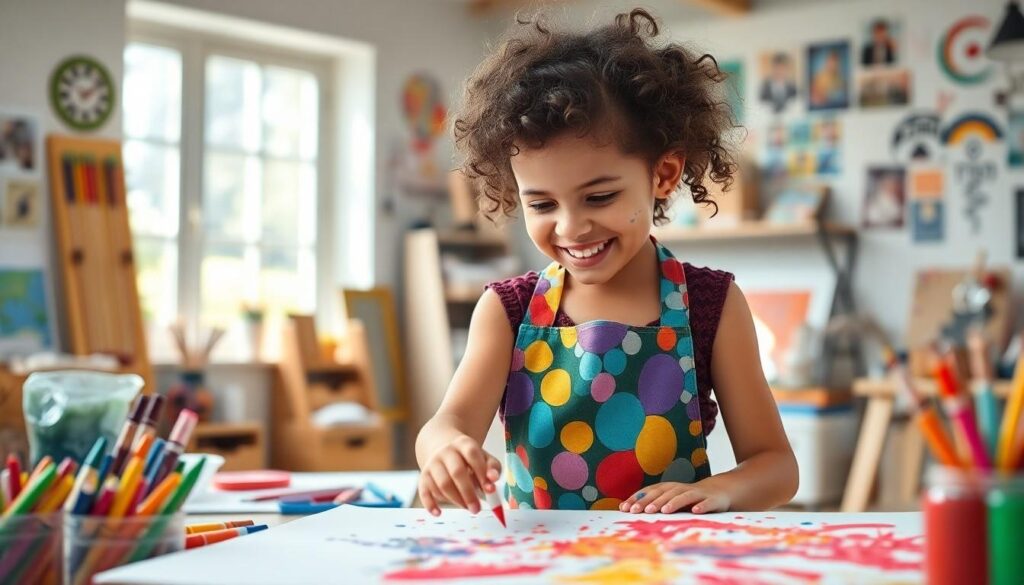
Painting and coloring ignite creativity in young children. Various materials like washable paints, crayons, and colored markers encourage exploration. Kids enjoy experimenting with colors, mixing shades, and creating original artwork. Exposure to different painting techniques, such as sponge painting or finger painting, makes the process even more enjoyable. Art supplies like canvases or large sheets of paper provide ample space for self-expression. These activities not only promote imagination but also develop fine motor skills as children grasp brushes or crayons.
Collage Making
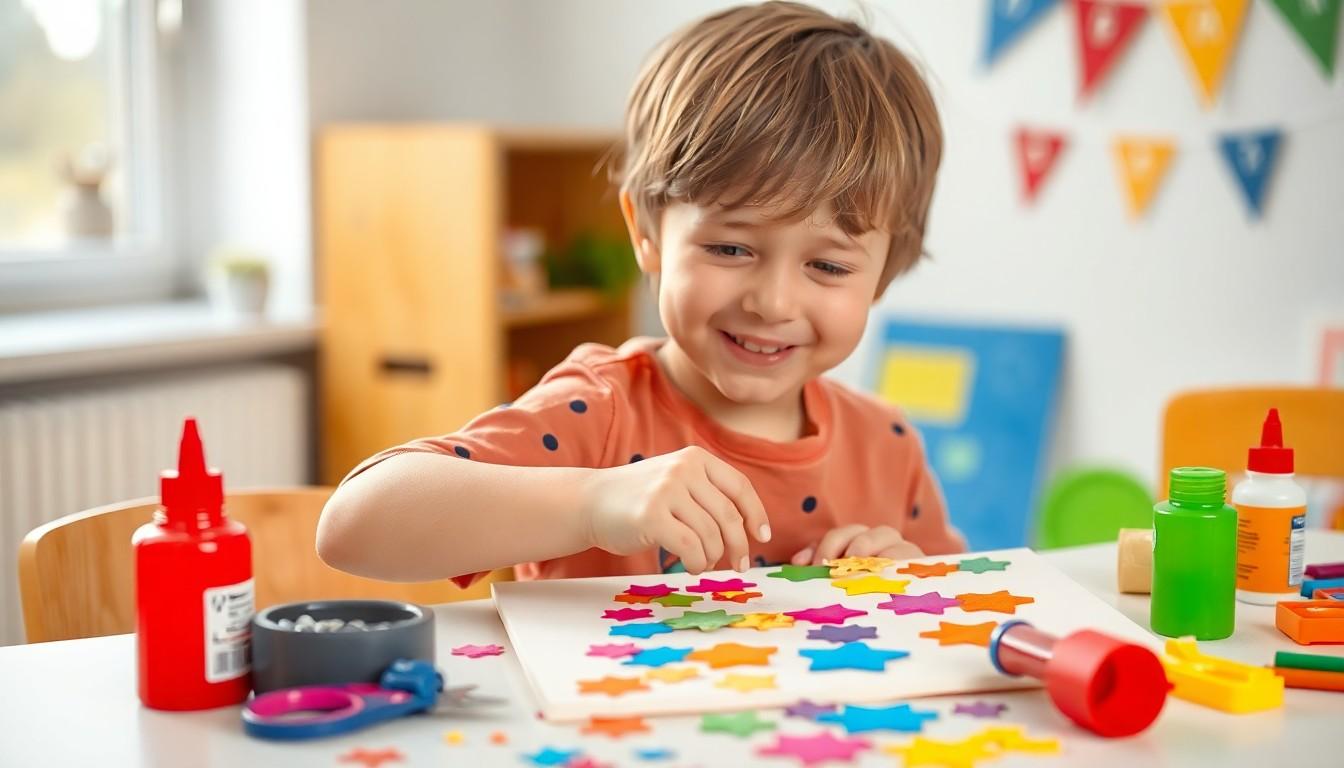
Collage making introduces children to the world of textures and materials. Items such as magazines, colored paper, and fabric pieces serve as exciting resources. Kids explore cutting and gluing techniques while creating unique compositions. This activity fosters their decision-making skills when selecting materials. By arranging shapes and colors, children enhance their spatial awareness and critical thinking. Collages allow for open-ended creativity, enabling young artists to express themselves freely. Parents can assist with gathering supplies and setting up a dedicated workspace for this engaging activity.
Recommended Materials and Supplies
Crafting with three-year-olds requires careful selection of materials. Safety and fun go hand in hand, ensuring enjoyable experiences for both children and caregivers.
Safe and Non-Toxic Options
Select materials labeled as non-toxic and child-safe for peace of mind. Washable paints, crayons, and markers allow for easy cleanup and adaptability. Look for glue sticks or glue dots designed for kids, providing a secure bonding method without mess. Scissors with rounded tips ensure safety during cutting activities. Choosing paper specifically for crafts, such as construction paper, adds vibrant colors while being safe for young hands. Options like natural clay and play dough provide tactile experiences without harmful ingredients.
Budget-Friendly Choices
Craft activities don’t need to strain budgets. Basic items like toilet paper rolls, egg cartons, and scrap paper can inspire creativity. Many parents find that repurposing household items leads to unique projects, all while being cost-effective. Bulk buying supplies, such as paint or glue, decreases average costs and ensures ample stock for ongoing projects. Investing in a few essential tools like scissors and paintbrushes pays off in diverse crafting opportunities. Exploring local dollar stores can yield great finds, providing endless crafting possibilities without the significant financial burden.
Tips for Engaging 3 Year Olds
Engaging three-year-olds in arts and crafts requires creativity and a thoughtful approach. Various methods promote exploration and self-expression.
Encouraging Creativity
Encouragement fuels creativity in young children. Provide ample materials, such as textured paper and vibrant colors, to stimulate their imagination. Allow them to experiment freely; open-ended projects yield unique creations. Sharing ideas fosters inspiration, while engaging in conversations about their artwork helps develop language skills. Celebrating their efforts with praise boosts confidence, reinforcing the joy of creation. Limit structured guidance to allow for personal expression, creating an environment where artistic exploration thrives.
Setting Up a Craft Space
Creating a designated craft space enhances focus and enjoyment. Organize materials in accessible bins or shelves, allowing for easy selection during projects. Ensure safety by using child-friendly furniture and non-toxic supplies. A well-lit area with ample workspace promotes creativity and minimizes distractions. Include a variety of tools, such as scissors and paintbrushes, to cater to diverse crafting interests. Consider incorporating a table covered with protective paper for mess-free activities. Crafting becomes more engaging when children have a comfortable space that invites exploration.
Conclusion
Engaging three-year-olds in arts and crafts opens up a world of creativity and learning. These activities not only entertain but also support essential developmental skills that will benefit children as they grow. By providing a variety of safe materials and a dedicated workspace, parents can inspire their little ones to explore and express themselves freely.
Encouraging open-ended projects allows for imagination to flourish, making crafting a joyful experience. With the right approach, arts and crafts can become a cherished part of childhood, fostering creativity and laying the groundwork for future learning.